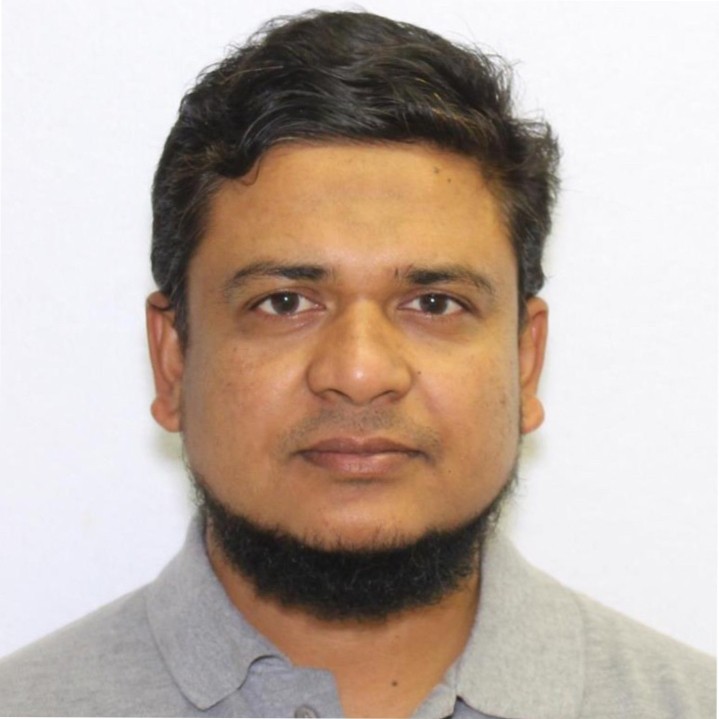
Chief Guest
Dr. Baljit Singh
Vice President of Research
University of Saskatchewan
Dr. Baljit Singh is a senior academic leader and renowned veterinary biomedical scientist who serves as Vice-President Research at the University of Saskatchewan. His career spans influential roles in research, teaching, and administration, including previous service as Associate Dean of Research at USask’s Western College of Veterinary Medicine and Dean of the University of Calgary’s Faculty of Veterinary Medicine. Trained in India and Canada, with post-doctoral work in the United States, he has built an international reputation in lung inflammation, pulmonary immunology, and veterinary anatomy, authoring more than a hundred scientific publications and a major anatomy textbook. A celebrated educator, he has earned numerous national and institutional teaching honours, including the 3M National Teaching Fellowship. Through his leadership at USask, he champions interdisciplinary research, innovation, and meaningful collaboration with communities, including strong commitments to Indigenous engagement and research excellence.
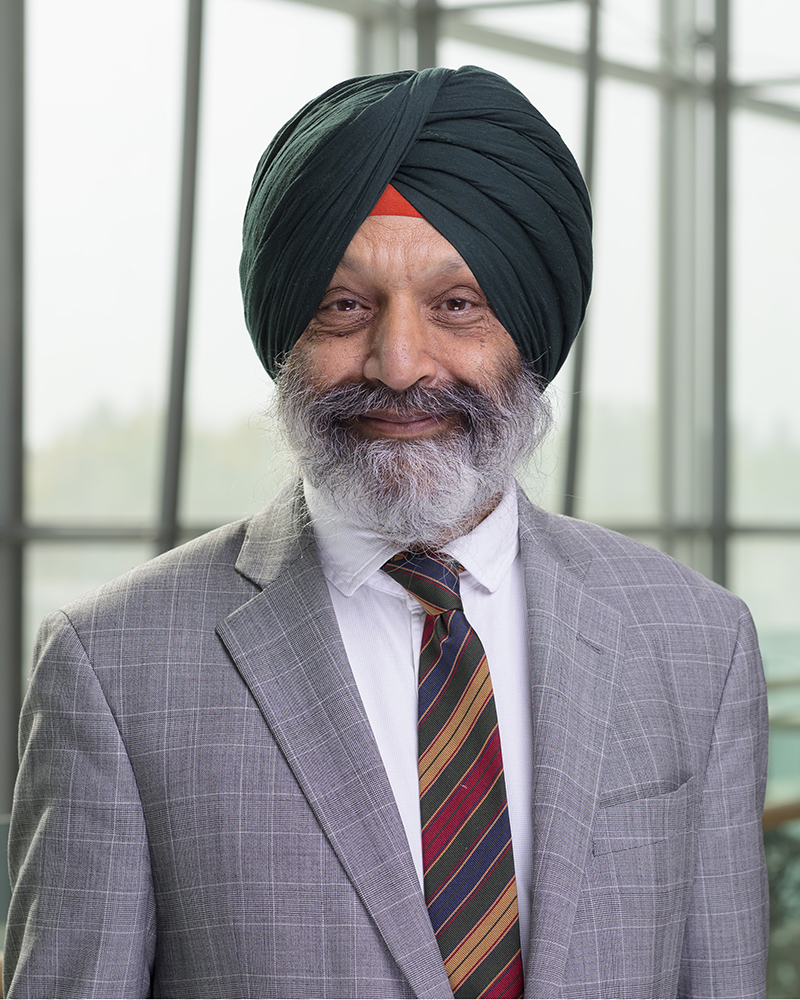
Special Guest

Dr. Julita Vassileva
Professor
University of Saskatchewan
Julita Vassileva is a Professor of Computer Science at the University of Saskatchewan, known internationally for her work in user modelling, personalization, social computing and incentive mechanisms in online communities. Originally from Sofia, Bulgaria, she completed her BSc and MSc at Sofia University and earned her PhD in Mathematics and Computer Science before beginning her academic career in Germany and later moving to Canada in 1999. At USask, she has built an influential research program focused on trust, reputation and motivation in multi-user systems, and she founded the MADMUC Lab, which explores how social dynamics shape digital platforms. She also served as the NSERC Cameco Chair for Women in Science and Engineering (Prairies), where she led major initiatives to support women in STEM and improve science outreach in Indigenous and remote communities. Her career is marked by a combination of technical excellence and deep commitment to equity, community engagement and the human dimensions of computing.
Dr. Ian Stavness
Professor, Department head
University of Saskatchewan
Dr. Stavness is a Professor in the Department of Computer Science at the University of Saskatchewan. He directs the Biological Imaging & Graphics lab (biglab), focused on deep learning, computer vision, and simulation for biological and biomedical applications.
I am actively recruiting new graduate students in the areas of computer vision, deep learning, graphics, interactive systems, and AI.
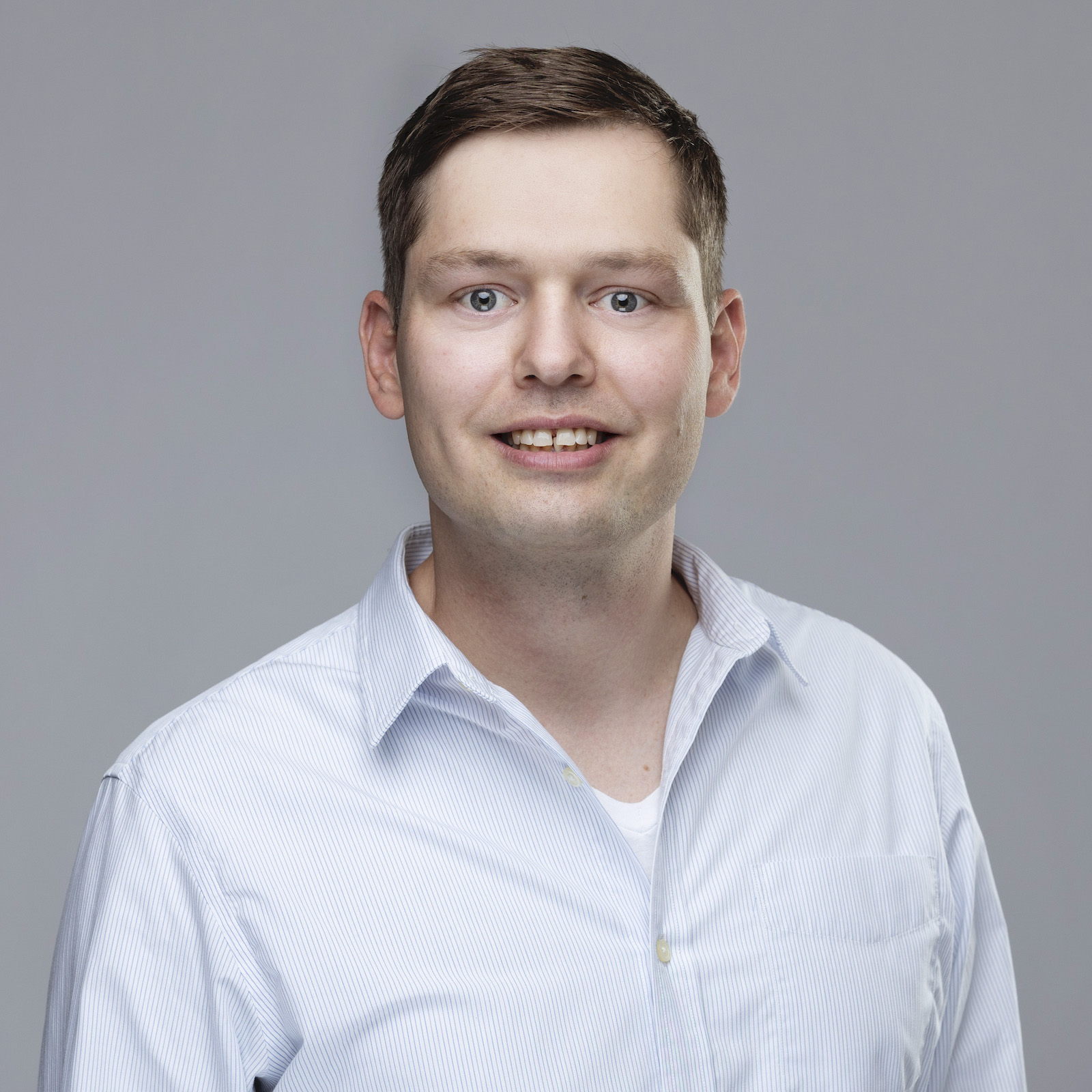
Keynote Speakers
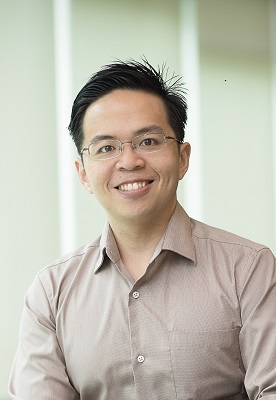
Dr. David Lo
Professor
Singapore Management University
David Lo is OUB Chair Professor of Computer Science and Director of the Center for Research in Intelligent Software Engineering (RISE) at Singapore Management University. A pioneer in AI for Software Engineering (AI4SE) since the mid-2000s, he has shown how techniques from machine learning, data mining, natural language processing, information retrieval, and search-based optimization can turn software engineering data into actionable insights and practical automation. His empirical work has also revealed developers’ pain points, the limitations of existing AI4SE solutions, and the conditions under which practitioners are willing to adopt AI-driven tools.
His research has earned more than 35,000 citations and over 20 major awards, including two Test-of-Time awards and eleven ACM SIGSOFT / IEEE TCSE Distinguished Paper Awards. He is an ACM Fellow, IEEE Fellow, ASE Fellow, and National Research Foundation Investigator (Senior Fellow), and has served as Program Co-Chair for ASE 2020, FSE 2024, and ICSE 2025.
Keynote: Efficient and Green Code LLMs: Happier Software Engineers, Happier Plant
Many are excited about the potential of code Large Language models (Code, LLMs). However, code LLMs are large, slow, and energy-hungry compared to traditional automated software engineering solutions, which raises usability and sustainability concerns. This is especially true when we want to deploy them in IDEs on local devices, which is often the preferred setting. This talk will highlight several strategies to improve the efficiency and energy consumption of code LLMs. It will also present a vision of what the future can be with efficient and green LLM and a call for action for more research in this direction to make both software engineers and our planet happier.
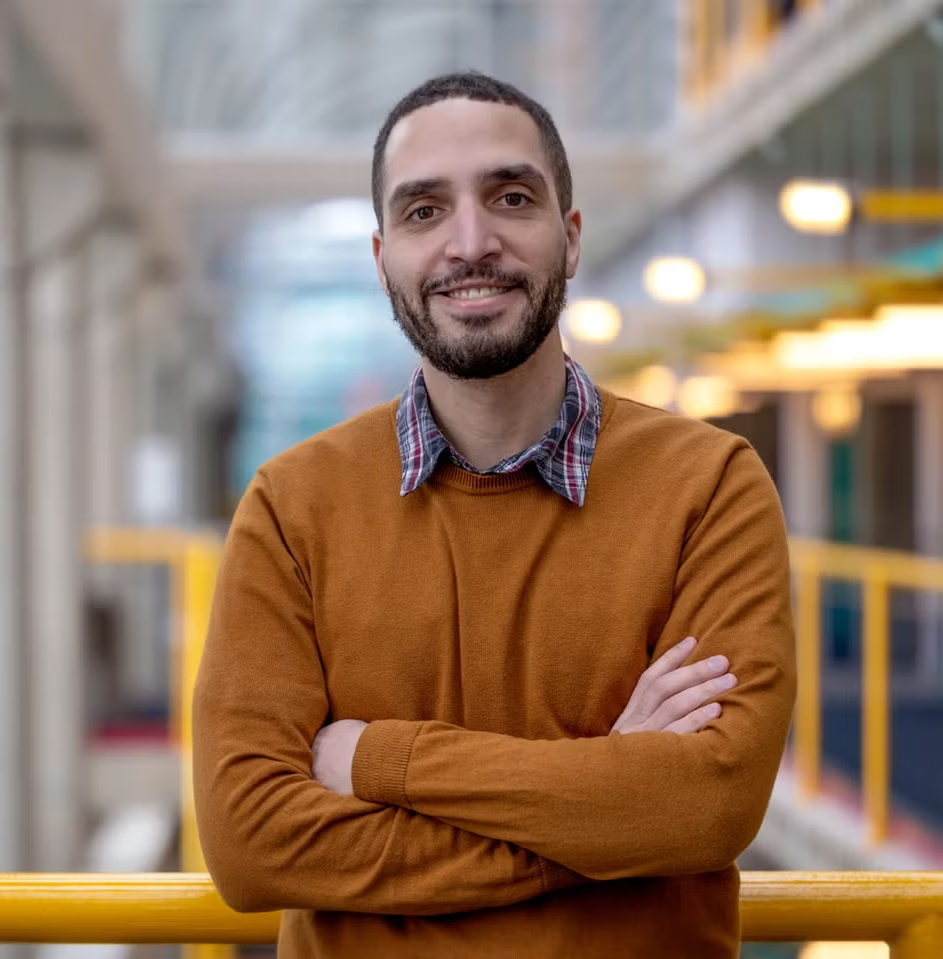
Dr. Shane McIntosh
Associate Professor
University of Waterloo
Shane McIntosh is an Associate Professor and the Ross & Muriel Cheriton Faculty Fellow at the University of Waterloo. He leads the Software Repository Excavation and Build Engineering Labs (Software REBELs). In his research, he uses empirical methods to study and improve software build systems, DevOps pipelines, developer experience platforms, and software quality.
Keynote: CI/CD Pipelines Without the Mess
Continuous Integration and Delivery (CI/CD) pipelines process change sets that modify system behaviour by (1) invoking build and test routines, providing timely feedback to team members about whether changes integrate cleanly; (2) updating deployment environments with new system content; and (3) exposing new system content to (samples of) a user population while monitoring and responding to changes in operational metrics. CI/CD pipelines are composed of software artifacts, and as such, are prone to imperfections, such as noise (e.g., misleading signals from CI/CD) and waste (e.g., invocations of the pipeline that do not provide value). In this talk, I will present research that characterizes and mitigates noise and waste in CI/CD pipelines, and discuss avenues for future work.
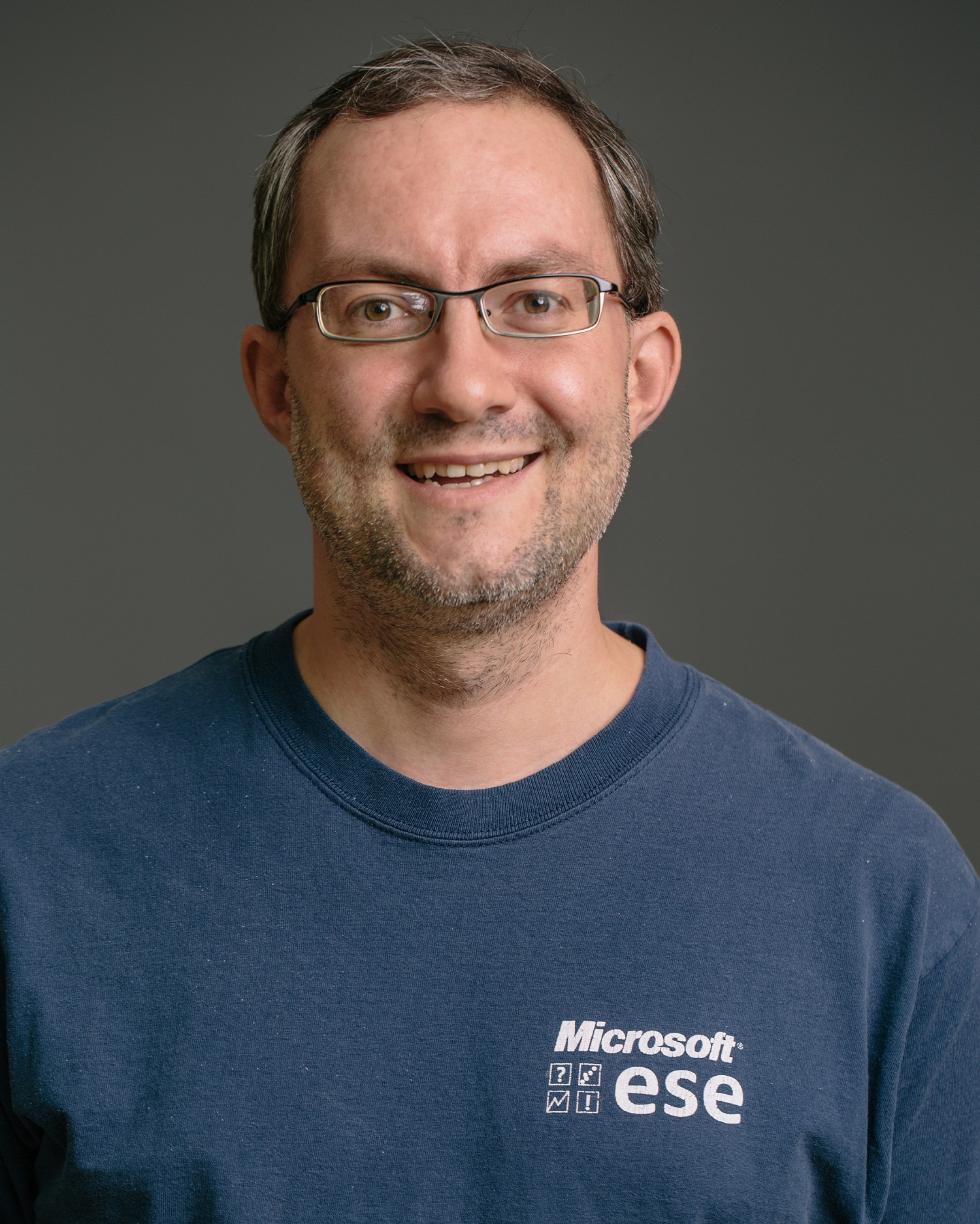
Dr. Thomas Zimmermann
Chancellor’s Professor and Bren Chair
University of California, Irvine
Thomas Zimmermann is a Chancellor’s Professor and Bren Chair at the University of California, Irvine. He works on cutting-edge research and innovation in software engineering, machine learning, artificial intelligence, data science, and digital games. He has over 15 years of experience in the field, with more than 100 publications that have been cited over 30,000 times. His research mission is to empower software developers and organizations to build better software and services with AI. He is best known for his pioneering work on systematic mining of software repositories and his empirical studies of software development in industry. He has contributed to several Microsoft products and tools, such as Visual Studio, GitHub, and Xbox. He is an ACM Fellow, IEEE Fellow, AAAS Fellow, and recipient of the IEEE TCSE Edward J. McCluskey Technical Achievement award. He received his PhD in 2008 from Saarland University in Germany. From 2007 to 2008, he was an Assistant Professor in the Department of Computer Science at the University of Calgary, and from 2008 to 2024, he worked at Microsoft Research as a Sr. Principal Researcher.
Keynote: Trust No Machine? Forging Confidence in AI for Software Engineering
The truth is out there… and so is the AI revolution. Foundation models and AI-driven tools are transforming software engineering, offering unprecedented efficiencies while introducing new uncertainties. As developers, we find ourselves in uncharted territory: these tools promise to accelerate productivity and reshape our workflows, but can we really trust them? Like any good investigator, we must question the systems we rely on. Are AI-based tools reliable, transparent, and aligned with developer needs? Or are they inscrutable black boxes with hidden risks? Trust isn’t just a nice-to-have—it’s the key factor determining whether AI integration succeeds or spirals into skepticism. In this keynote, I will uncover the evolving role of AI in software engineering and explore how we can build, measure, and foster trust in these tools. I will also reveal why the FORGE community is uniquely positioned to lead this charge, ensuring that AI becomes a trusted partner—not an unsolved mystery. After all, when it comes to AI in software development… should we trust no bot? (This abstract came to life with a little help from ChatGPT and a lot of love for The X-Files.)
Industry Panelist
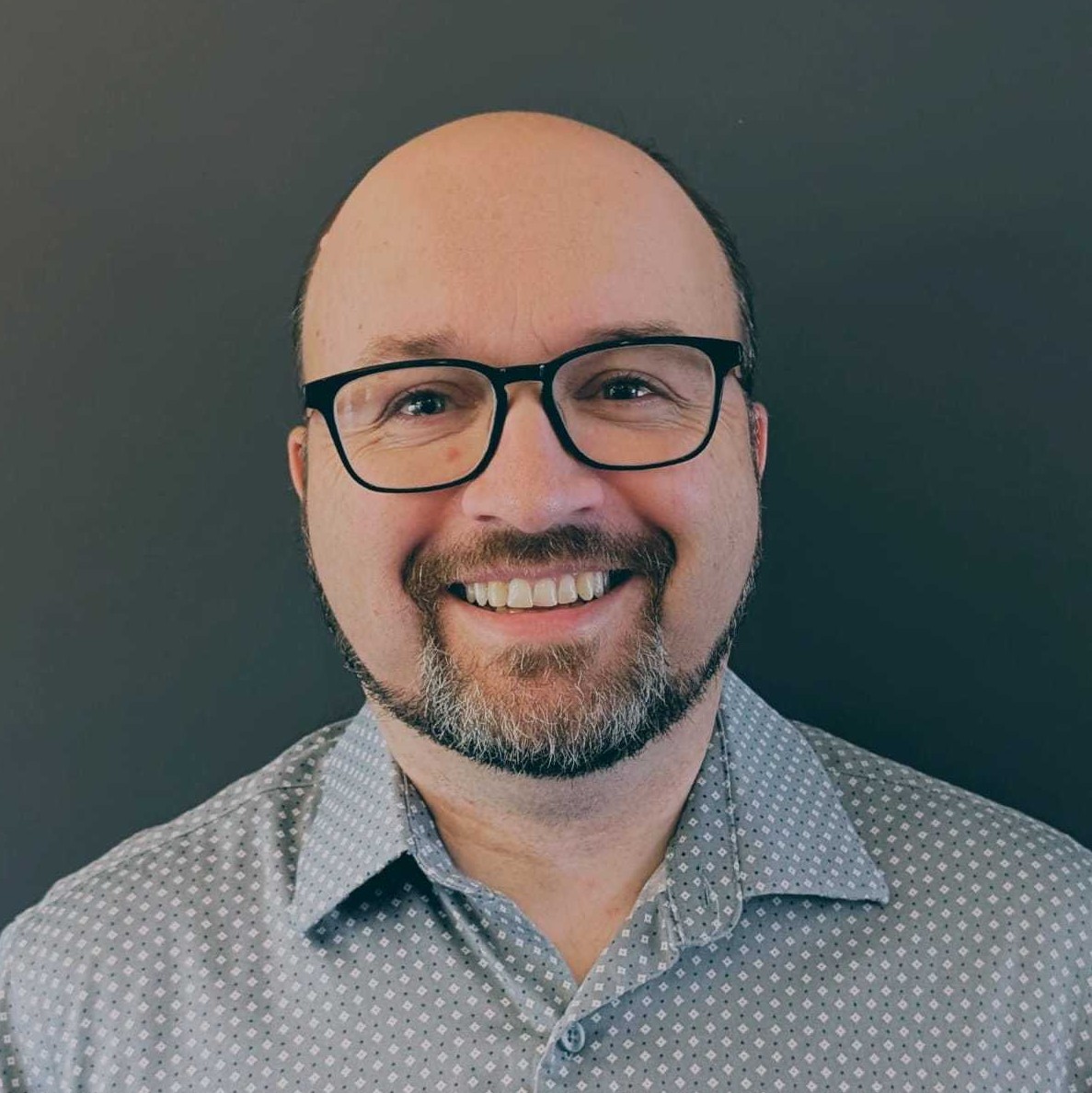
Devin Greene
Software Engineering Manager
Calian
Devin Greene is a Software Engineering Manager at Calian, where he’s spent over 20 years building software systems that help satellites do their thing—from gateway systems to resource management and even satellite radio uplinks. He holds bachelor degrees in Engineering Physics and Computer Science from the University of Saskatchewan. When he’s not leading development teams or solving complex technical problems, Devin’s probably sorting through his collection of over 2,000 LEGO minifigures.
Dale Hopkins
CTO
Vendasta
Dale Hopkins is Vendasta’s Chief Technology Officer, reporting to the CEO, Brendan King. Over the past 10+ years, Dale has been responsible for guiding the processes, technologies, and tools that make up the Vendasta ecosystem. Through his leadership, Vendasta has scaled to over 20 Agile software teams with over 100 developers supporting millions of users on the platform.
Prior to Vendasta, Dale founded a software consulting company that specialized in digital video diagnostics and processing. Customers included Time Warner Cable and his previous employer, Vecima Networks. Dale earned a bachelor’s degree in Engineering Physics from the University of Saskatchewan in 2005 with a dual degree in Computer Science.
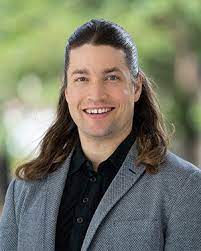

Chad Jones
Founder & CEO
Push Interactions
Chad is a former Apple Engineer who worked at Apple’s Headquarters in Cupertino, California with some of the most talented engineers in the world. While at Apple Chad played an important role in the development of Apple’s Mac OS X operating system as well as pre-cursors to the iPhone. Chad’s time in Silicon Valley inspired him to leave his post and return home to Saskatchewan to tap into the budding realm of mobile technology and the province’s high caliber software development talent and start his own company. Upon his return, Chad taught Canada’s first university-accredited iPhone programming course at the University of Saskatchewan while forming Push Interactions.
Ryan Silk
Director of R&D
EDAI
Ryan Silk is Director of R&D at Siemens EDA, with 20 years of experience designing and building ML and AI-enabled software for the semiconductor industry. Ryan earned a bachelor’s degree in Computer Science from the University of Saskatchewan in 2006.
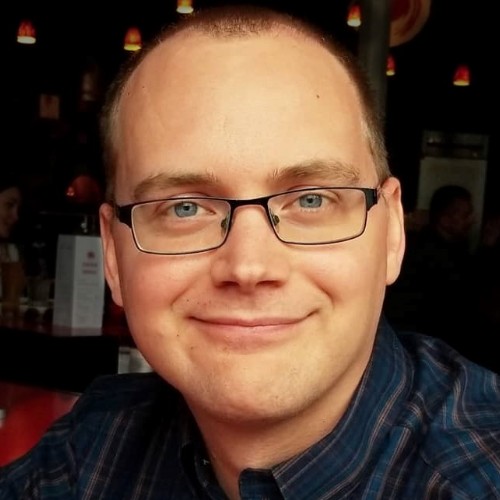
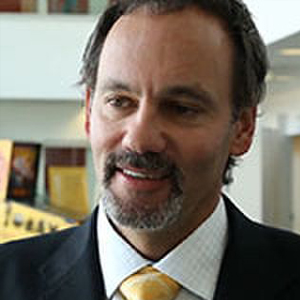
Dr. David Callele
CTO
agexchange group
David grew up on a Saskatchewan farm near Watson and has worked in the IT industry for over 40 years, specializing in technology commercialization and start-ups. He is an inventor, a writer, and a former professor at the University of Saskatchewan, and an active mentor in the tech start-up community.
Dr. Hasan Pervej Ahmed
Research Officer, Plant Science
University of Saskatchewan
Hasan Pervej Ahmed moved to Saskatoon, Canada from Bangladesh in 2010. He holds a BSc in Agriculture from Khulna University (Bangladesh), an MSc in Physical Land Resource Management from Ghent University (Belgium), and an MSc in Soil Science from the University of Saskatchewan. He completed his PhD in Canola Root System Development, with a focus on phenomics and genomics, using image-based, high-throughput phenotyping to investigate root system architecture and identify genes regulating root–shoot development.
From 2019 to 2025, he served as International Program Development Manager at the Global Institute for Food Security (GIFS), leading international research initiatives. He is currently appointed jointly as a Research Officer and Research Specialist with the Department of Plant Science and the International Office at the University of Saskatchewan. Hasan is also involved in a software development company in which they are supporting different companies in Canada. In his free time, he enjoys badminton and long drives.